Advanced Analytics & AI
Financial Planning & Analytics
Replace disconnected spreadsheets and manual planning processes with a single, AI-powered platform for forecasting, scenario planning, and real-time financial analysis. Less manual work. More strategic decision-making.
 Driver-based planningAI-powered predictive forecastingReal-time scenario analysis
Trusted by enterprise finance teams and leading organizations


Your planning process is slow, fragmented, and difficult to adapt.
- Data Integrity Chaos Financial data lives trapped in scattered Excel files, ERP exports, legacy BI tools, and local desktop versions. Finance teams spend valuable time reconciling numbers instead of analyzing them.
- The Speed Bottleneck Every market shift triggers a new round of manual updates and consolidation. Forecasting cycles take weeks, making it difficult to respond quickly when business conditions change.
- Limited Forecast Accuracy Traditional forecasting relies on historical assumptions and manual updates, making it difficult to keep pace with changing business conditions. AI-powered predictive forecasting helps finance teams anticipate trends, improve forecast accuracy, and make faster, more confident decisions.
Only 15% of planning time is spent on strategic decision-making.
The remaining 85% is often consumed by manual work, with up to 60% spent on data collection and another 25% on validating assumptions. As a result, finance teams spend more time preparing numbers than using them to guide the business.
Modern FP&A (Financial Planning & Analytics) solutions based on artificial intelligence are changing this ratio. By centralizing data and automating planning, organizations gain a unified view of their business and the ability to make better, real-time decisions.

One of the leading enterprise solutions in this area is IBM Planning Analytics powered by TM1, a platform that enables integrated financial planning, budgeting, forecasting, and scenario modeling with advanced AI and predictive analytics support. Through process automation and connecting data from different business systems, organizations can significantly accelerate decision-making and increase planning accuracy.

We don’t replace your systems. We eliminate the chaotic Excel middle-layer.
Our FP&A consulting and platform solutions bridge the gap between your source ERPs and your final executive board pack. We transform scattered data into a single, governed planning engine.
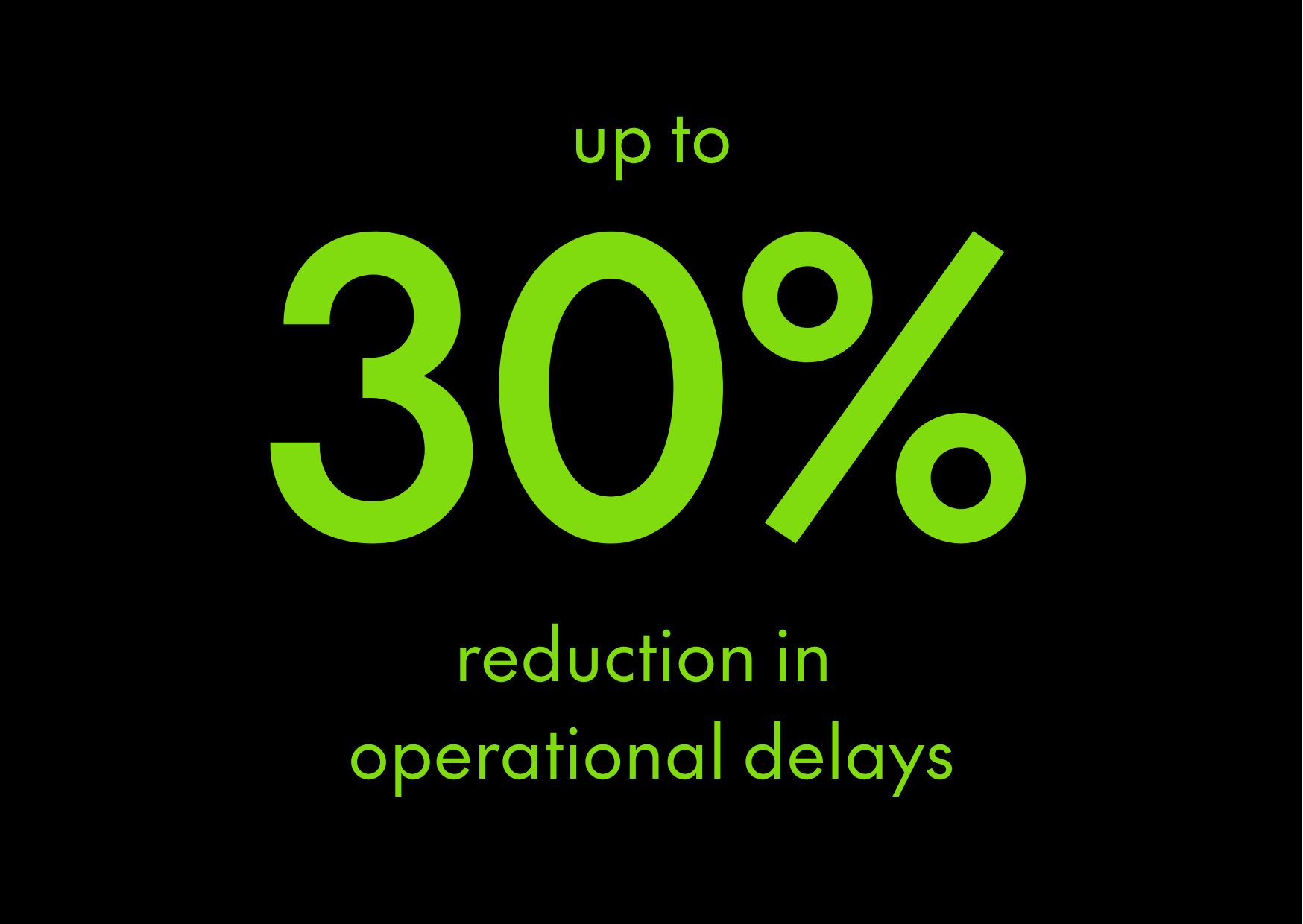
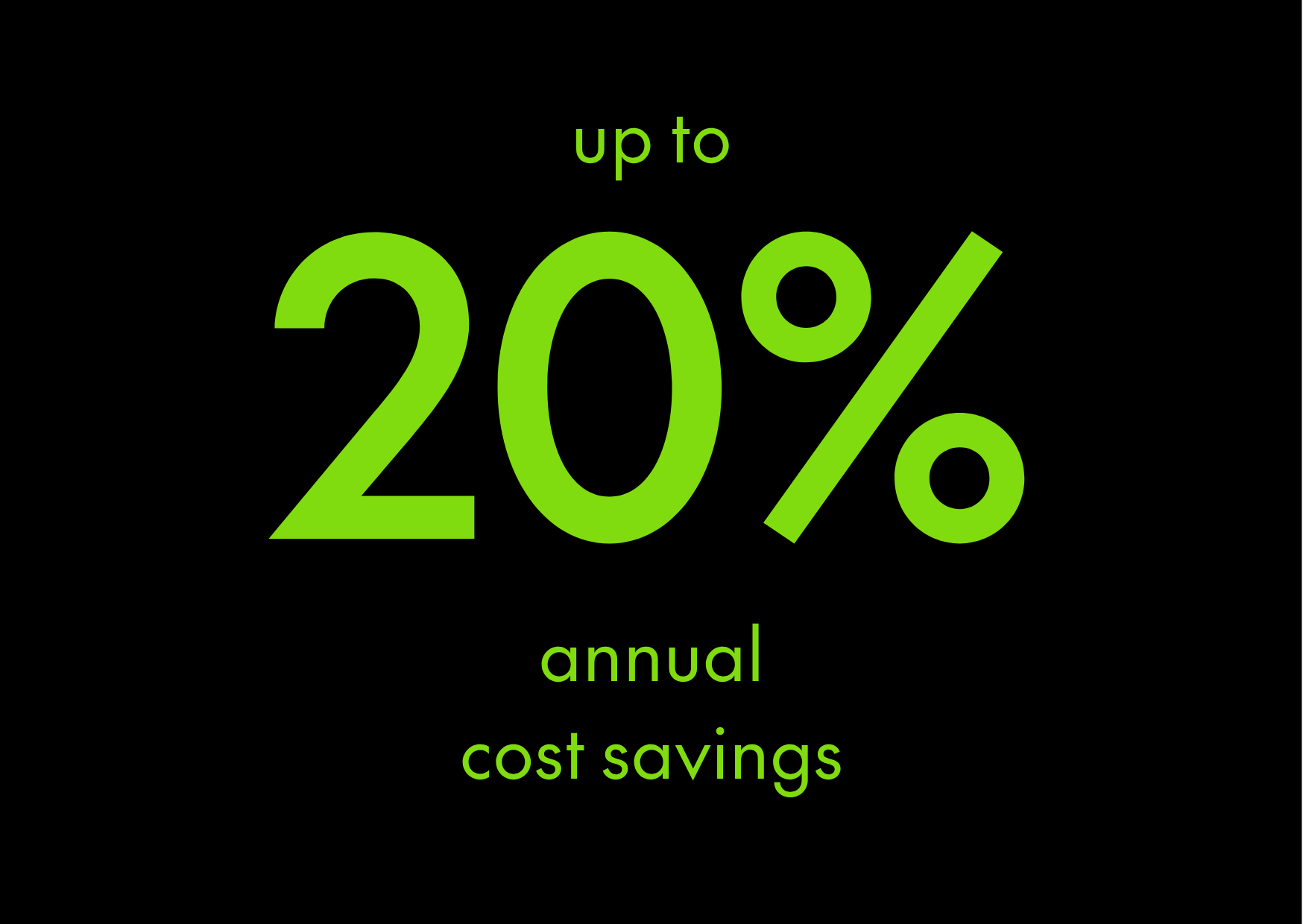
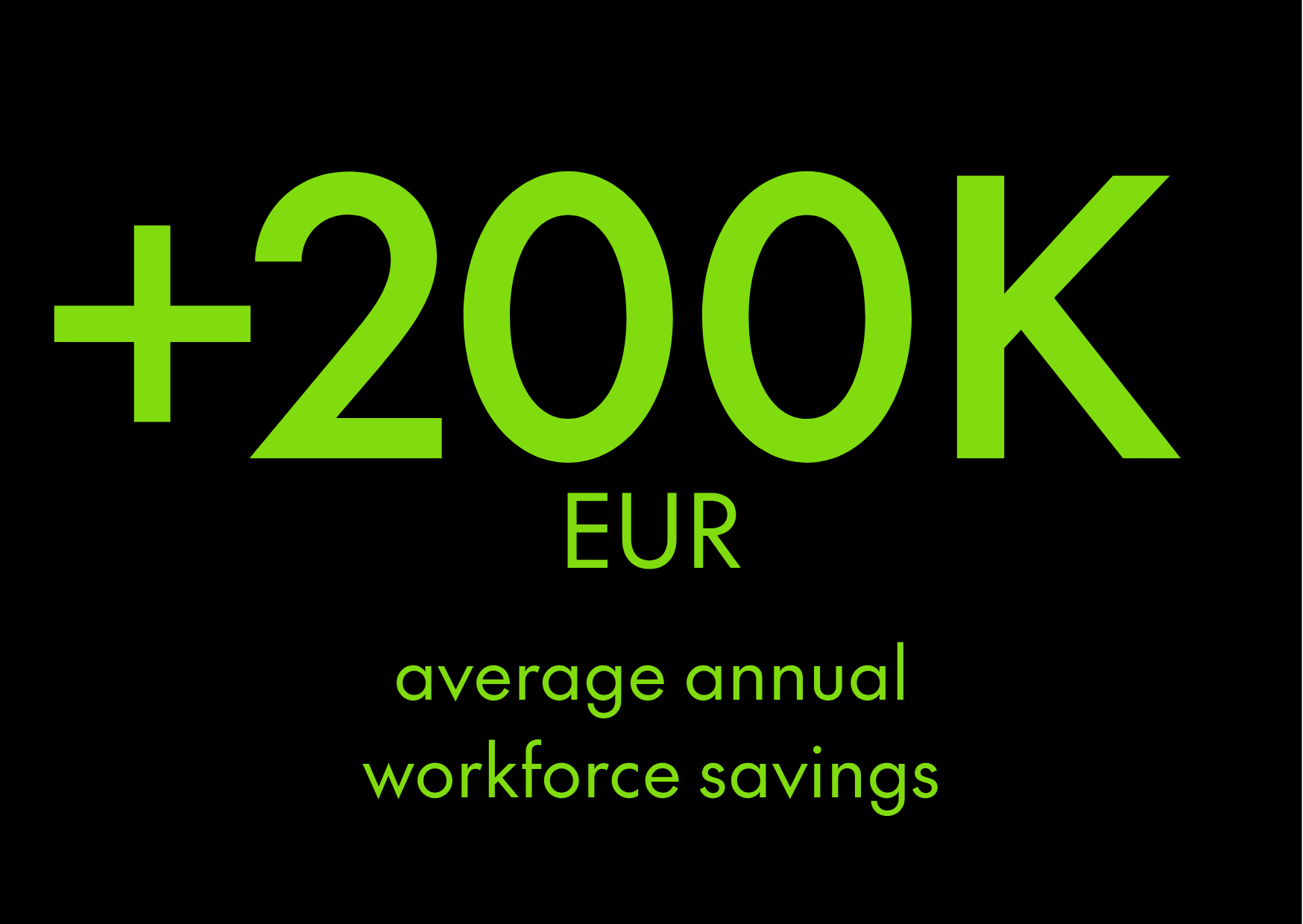
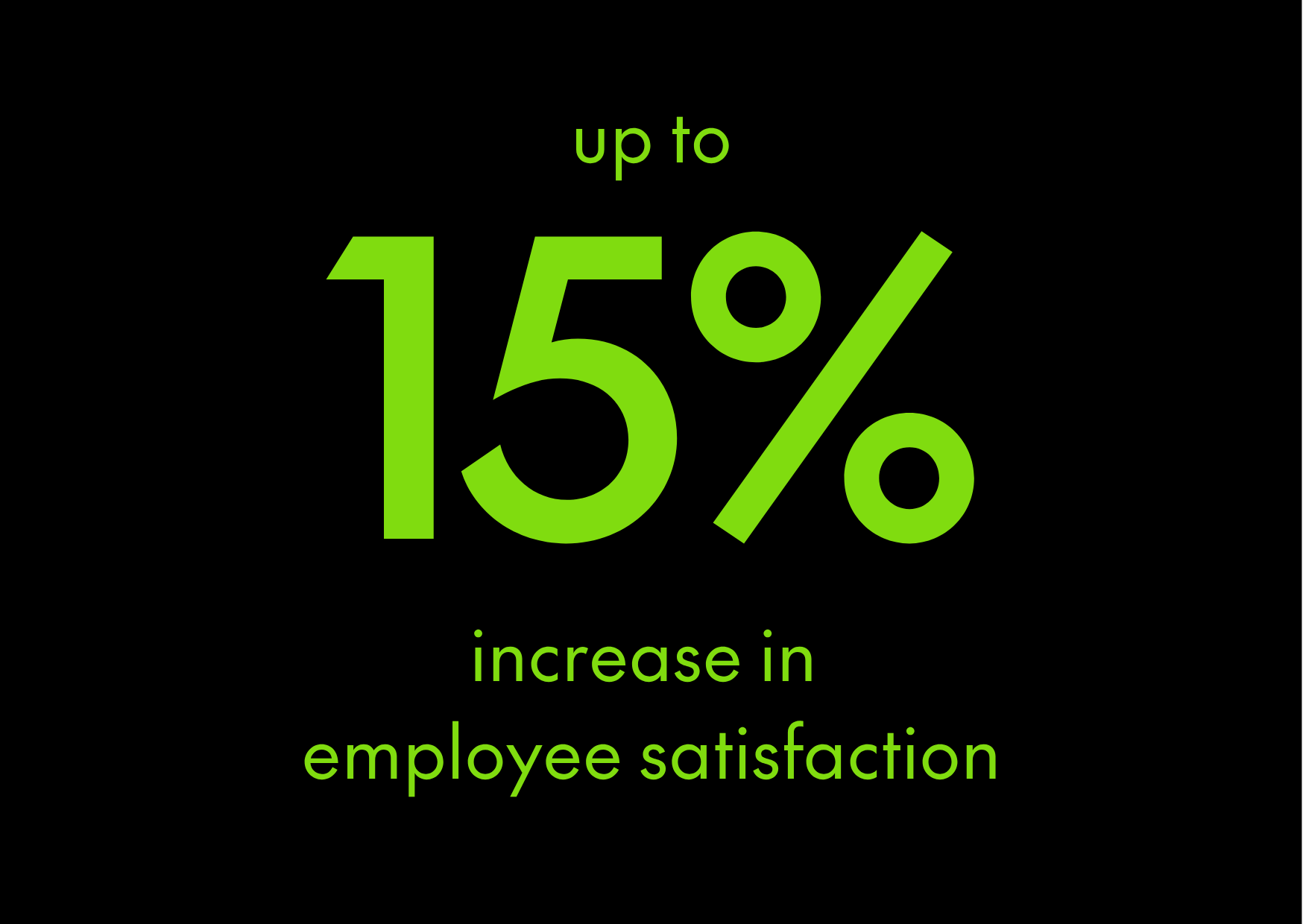
Proven results that transform financial corporate planning
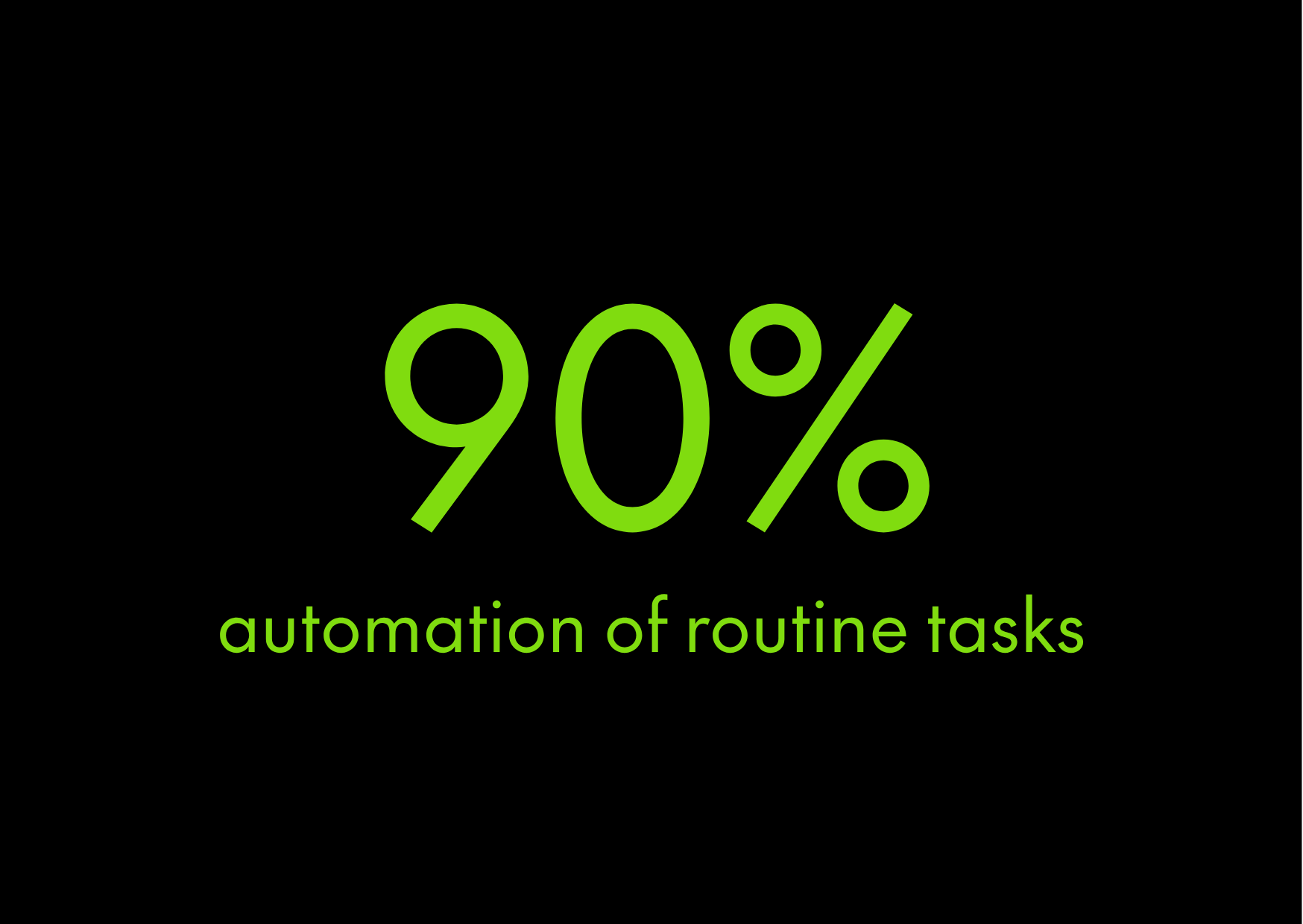
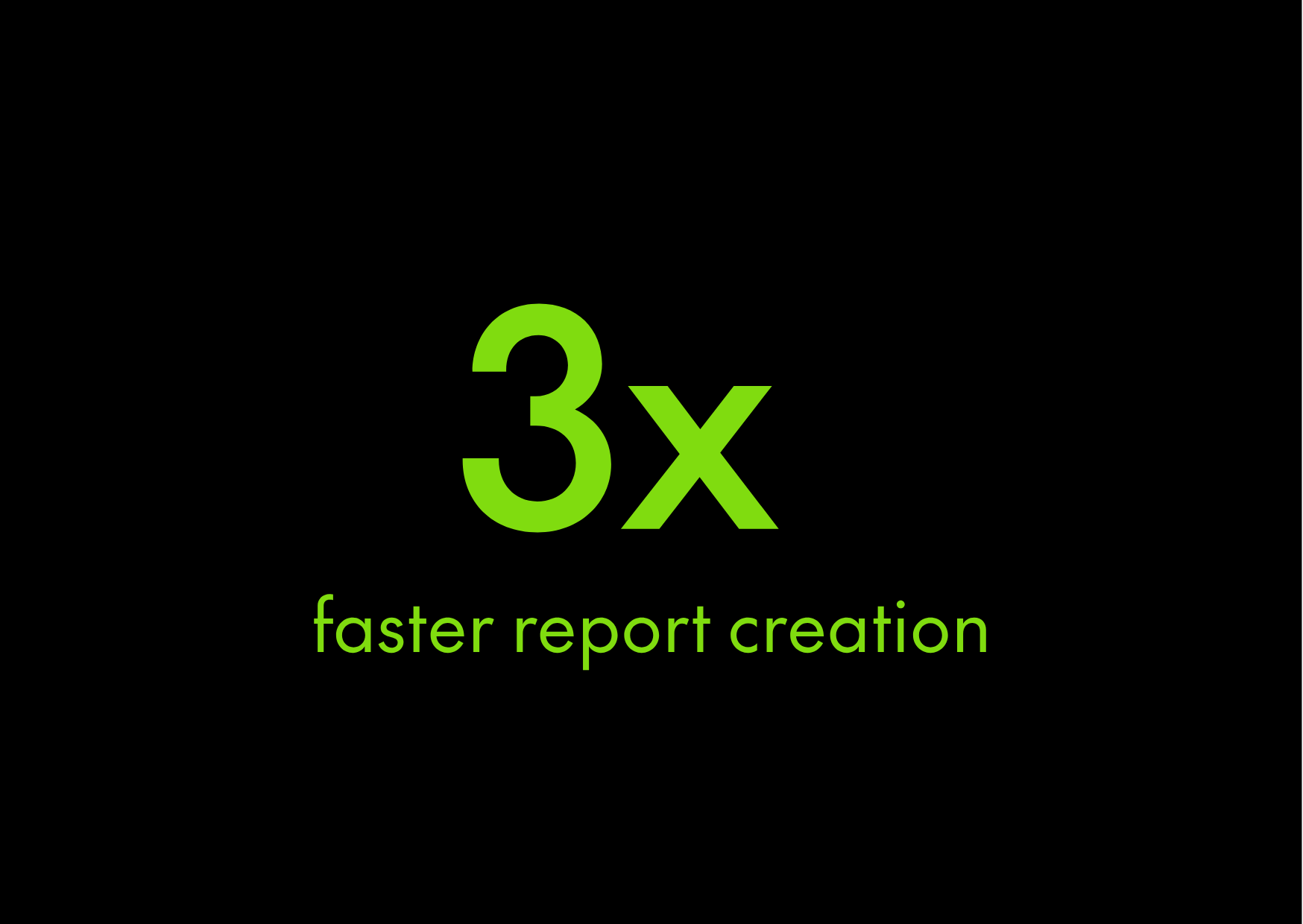
- Cut planning steps in half. Move from version chasing to a single, connected plan that updates instantly as actual data lands.
- Build and compare complex scenarios side-by-side. Adjust drivers and see the immediate impact across every entity.
- Built-in corporate logic ensures zero broken formulas. Change a driver and watch headcount and revenue flow automatically.
How our FP&A solutions drive faster, smarter business decisions
- Real-Time Planning Stay connected to live data instead of static spreadsheets. Update assumptions, assess the impact instantly, and respond faster to changing business conditions.
- Connected Planning Enable business teams to contribute to plans while finance maintains full control, governance, and visibility across the planning process.
- AI-Driven Predictive Forecasting Leverage built-in AI models to run automated baseline forecasts, identify hidden anomalies, and project trends with historical accuracy.
- Strategic Financial Modeling Seamlessly model complex operational driver dependencies across OpEx, CapEx, and multi-layered FTE structures.
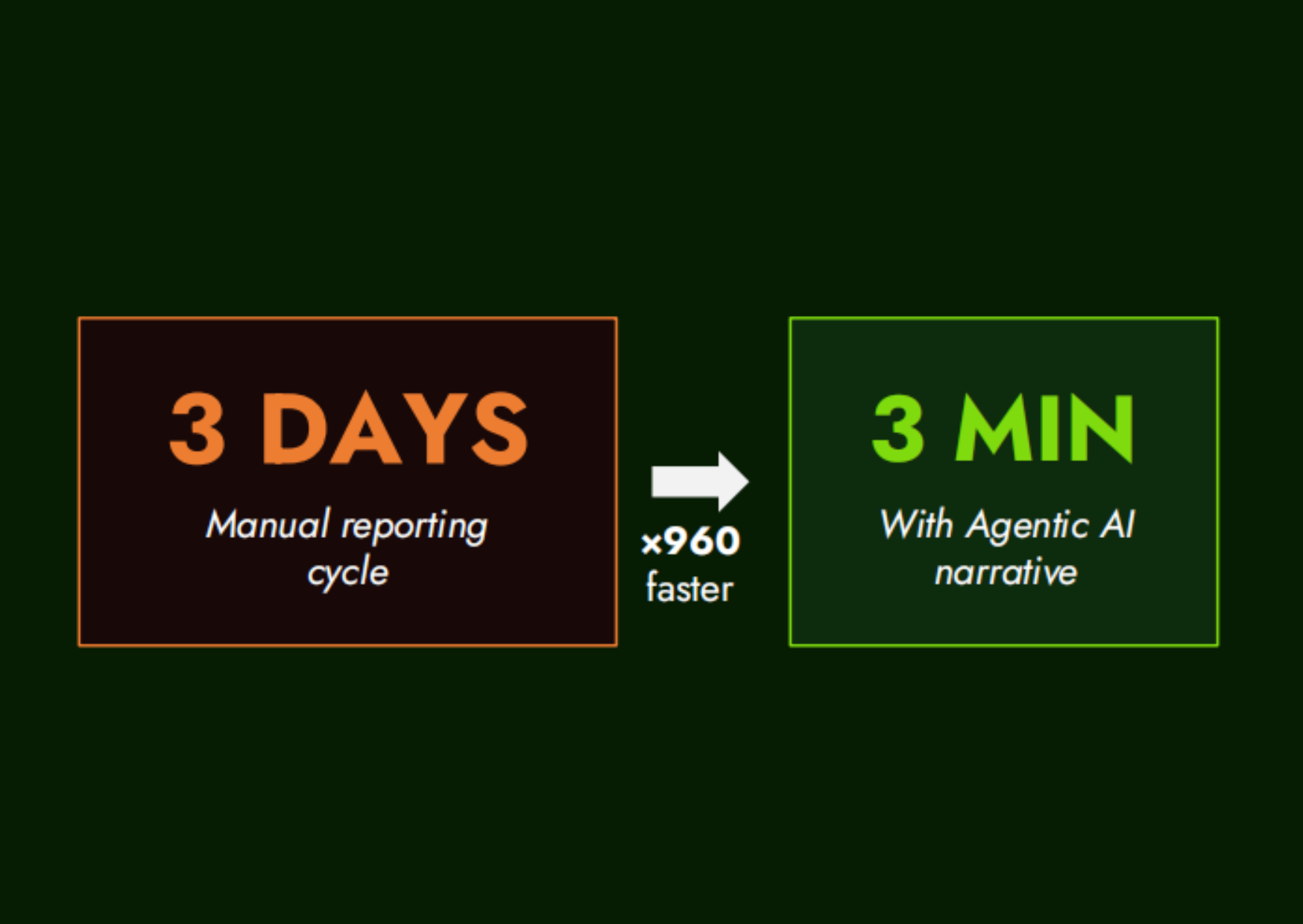
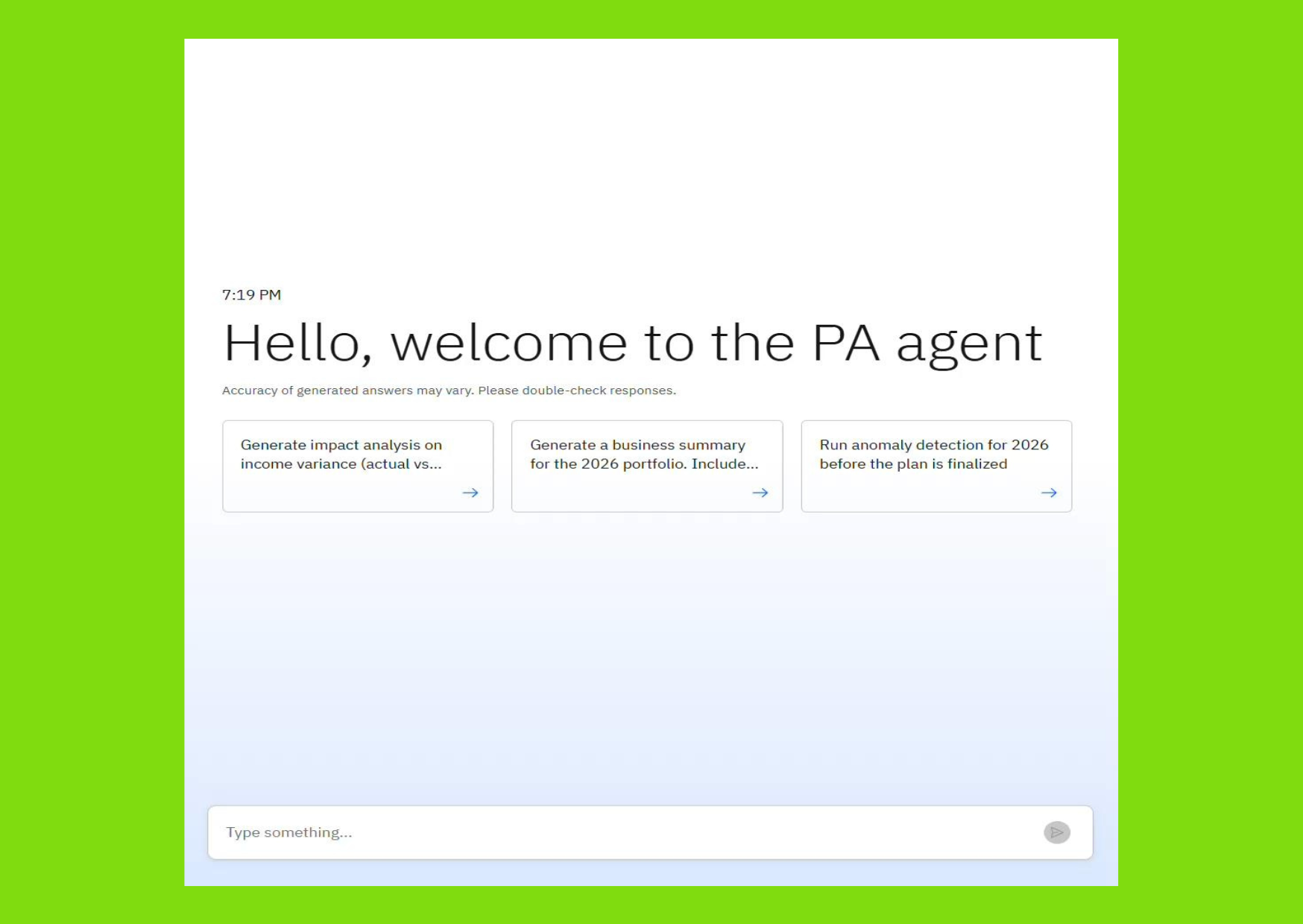
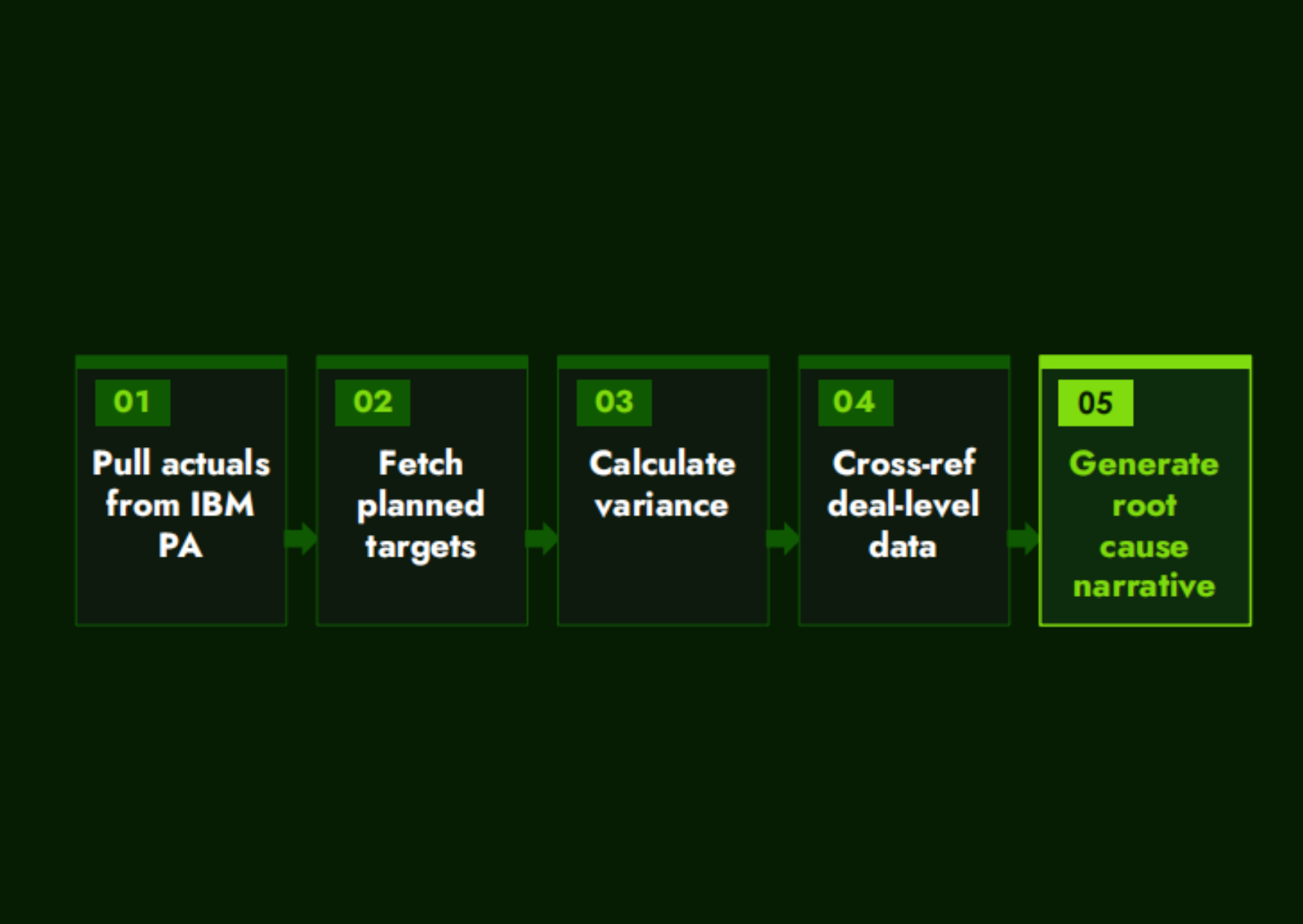
We Know the Revenue Grew. Now We Know Why.
Analyst dilema:
“Retail interest income exceeded plan in 2026. But is this driven by higher loan volumes or did the average interest rate improve?”
Smarter Planning for Modern Banking
Smarter FP&A for Modern Banking
In banking and financial institutions, standard planning tools fall short. Our specialized banking framework handles deep portfolio profitability analysis, complex multi-line logic, and stringent regulatory compliance tracking.
- The Impact: Integrated P&L, balance sheet, and portfolio views that accelerate implementation and allow instant multi-scenario stress-testing.
Mission-Driven Planning for Nonprofits
Built on enterprise-grade architecture (including IBM Planning Analytics), our specialized nonprofit version allows mission-driven organizations to navigate unique financial realities.
- The Impact: Easily manage diverse funding sources, streamline complex donor reporting, and confidently plan financial allocations across multiple global locations and projects.
From scattered data to strategic decisions in 3 steps
ASSESS
Map Your Process
We review your current budgeting cycle, data drivers, and corporate reporting needs to design a tailored architectural blueprint.
CONNECT
Integrate Your Data
We securely connect your existing ERP, CRM, and internal data structures into a unified, isolated, and ISO-certified data environment.
ACTIVATE
Drive Your Business
Your team goes live. Budget, forecast, and simulate complex market scenarios instantly with an intuitive UI and continuous expert support.
Frequently Asked Questions
What is the difference between budgeting and forecasting?
Budgeting defines financial targets, while forecasting estimates future outcomes based on the latest business performance and market conditions. Budgets are typically fixed for a specific period, whereas forecasts are updated regularly to support more informed decision-making.
How does an automated FP&A platform improve data accuracy?
By integrating directly with ERP, CRM, and other business systems, FP&A platforms reduce manual data handling and minimize the risk of errors caused by copying, pasting, and maintaining multiple spreadsheet versions.
What is driver-based planning?
Driver-based planning links financial outcomes to the operational factors that drive them, such as headcount, sales volume, customer growth, or production capacity. This enables organizations to model change more accurately and create more agile plans and forecasts.
How does AI-powered forecasting work?
AI-powered forecasting uses historical, financial, and operational data to identify patterns, detect anomalies, and generate more accurate forecasts. Finance teams can improve forecast accuracy while reducing manual effort.
What is scenario planning?
Scenario planning allows organizations to test different assumptions and evaluate their impact on revenue, costs, profitability, cash flow, and other key metrics before making decisions.
Ready to eliminate spreadsheet risk?
Let’s build an agile, modern financial planning framework for your organization. Talk to one of our expert data consultants today.
How We Helped Addiko Bank strengthen its financial operations
Optimizing Financial Performance: Addiko Bank’s Success with Expected Loss Calculation
Are you ready to be our next sucess story?