
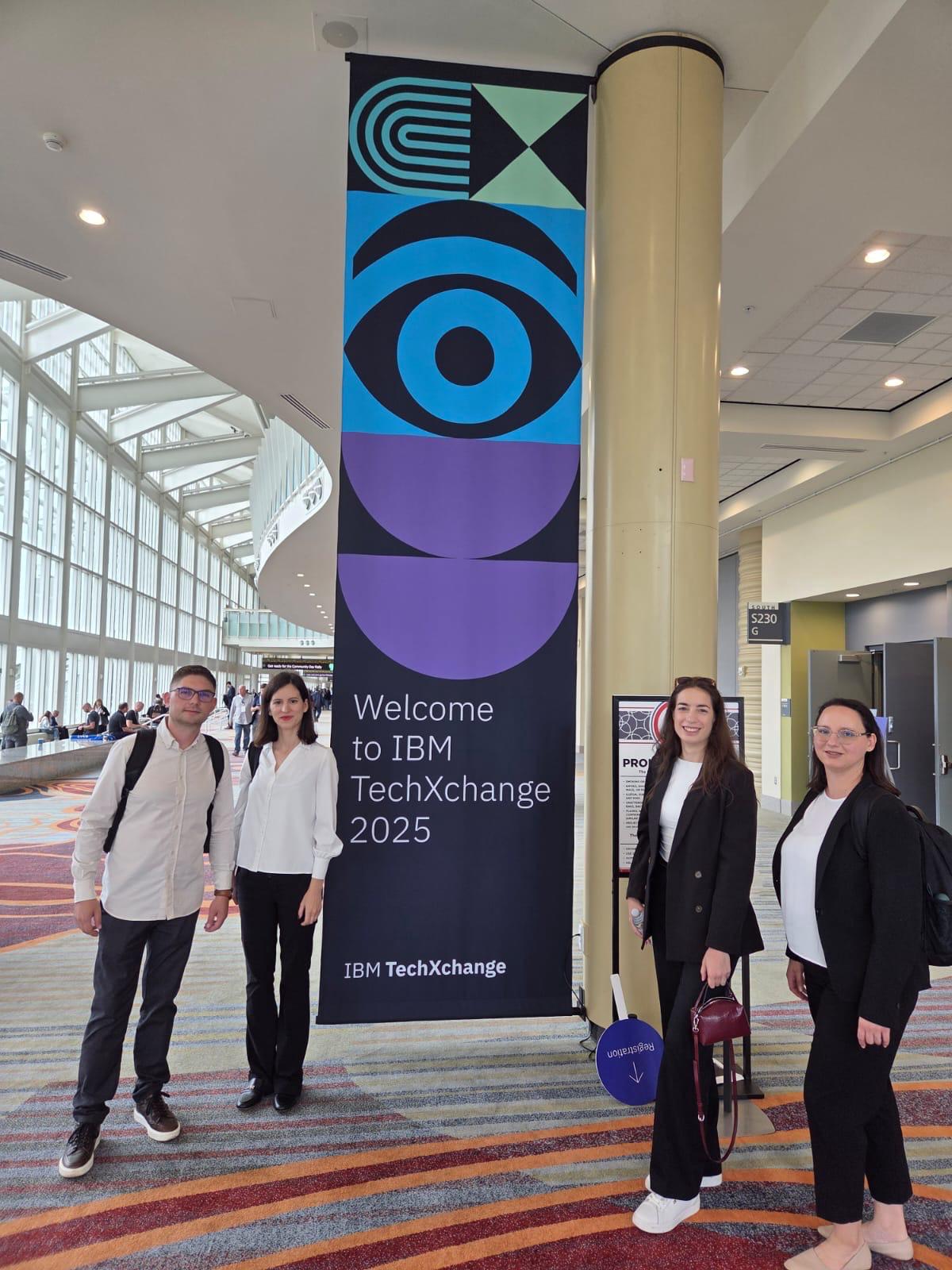
As IBM’s largest annual technical learning event for developers, technologists, and customers, TechXchange brings a wide range of perspectives into the same room. This year’s conference in Orlando welcomed nearly 8,000 practitioners and featured around 1,500 sessions, creating an environment full of experimentation, discussion, and real-world problem solving.
My team and I were among the lucky ones who got to be part of it. What follows is our firsthand insights on the conference experience and the ideas worth hearing. Probably a bit biased, but 100% authentic.
Exploring Orlando and the mood before the conference began
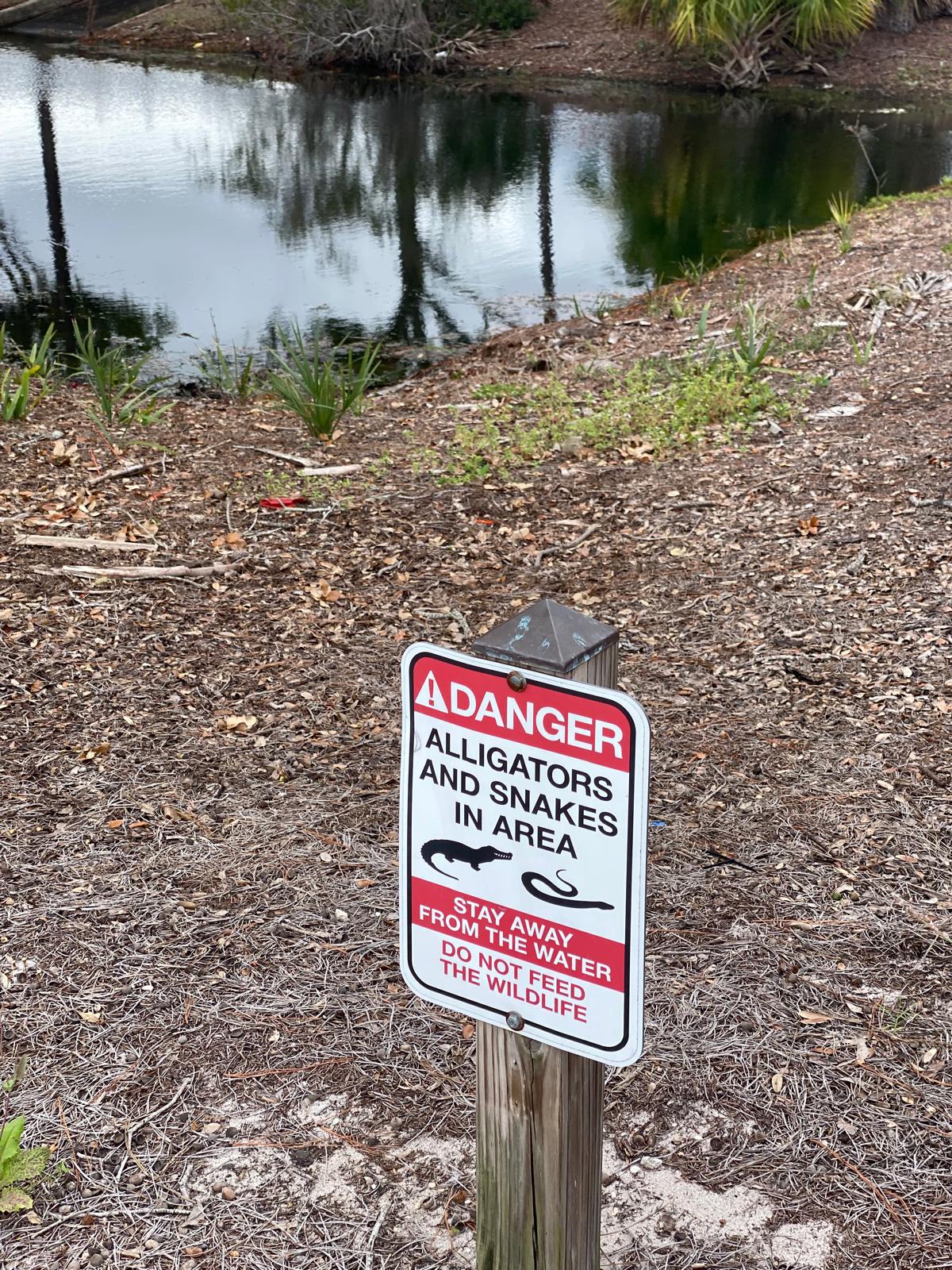
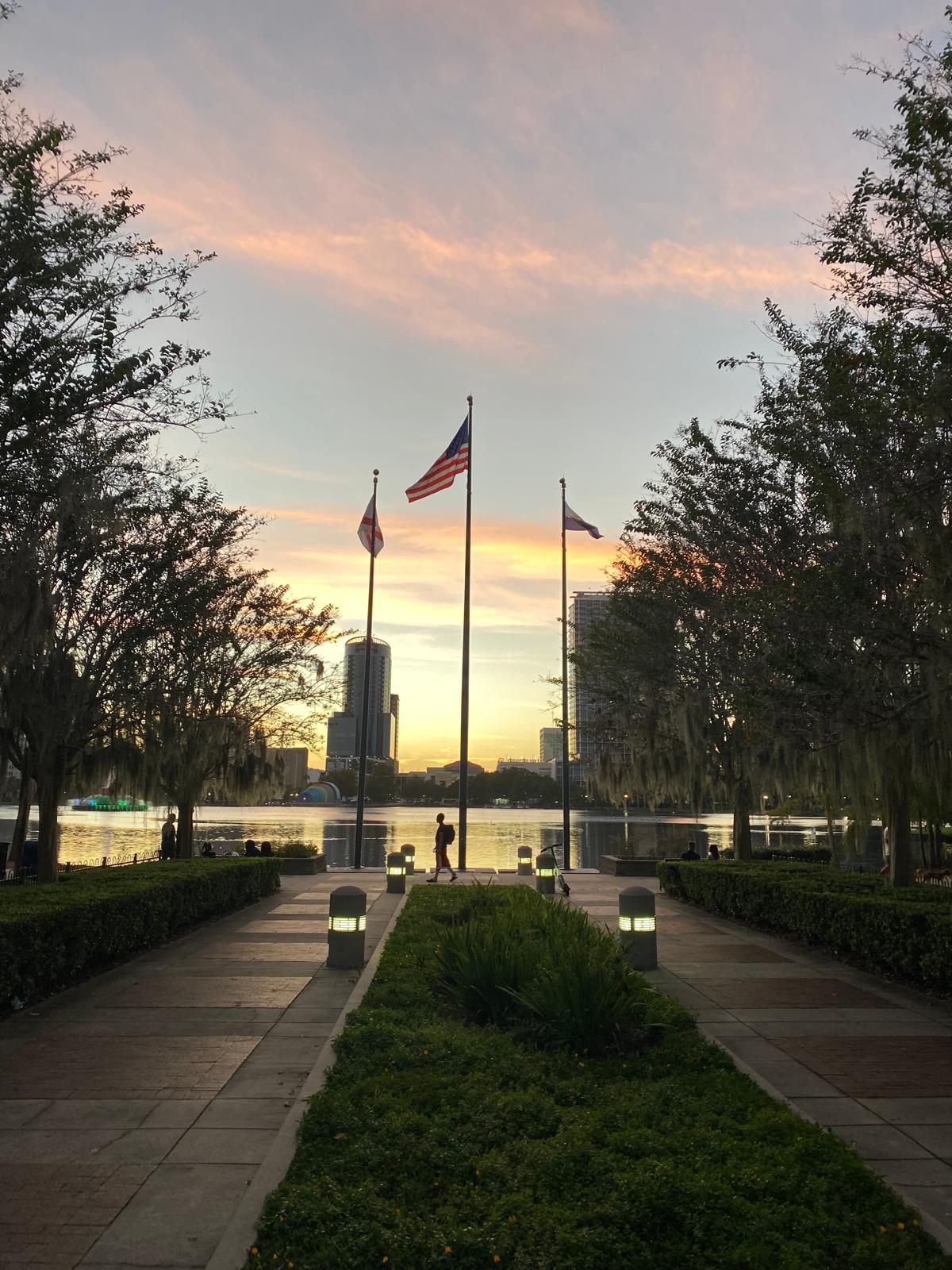
Before diving into the conference itself, a quick perspective on Orlando. The city is, of course, world-famous for Walt Disney World Resort, Universal Orlando Resort, and a long list of theme parks. The parks and downtown are fun to explore, but the constant warning signs about alligators or snakes creeping out of nearby waters are… less charming. The humidity doesn’t help either - it feels like being in a Turkish sauna most of the time.
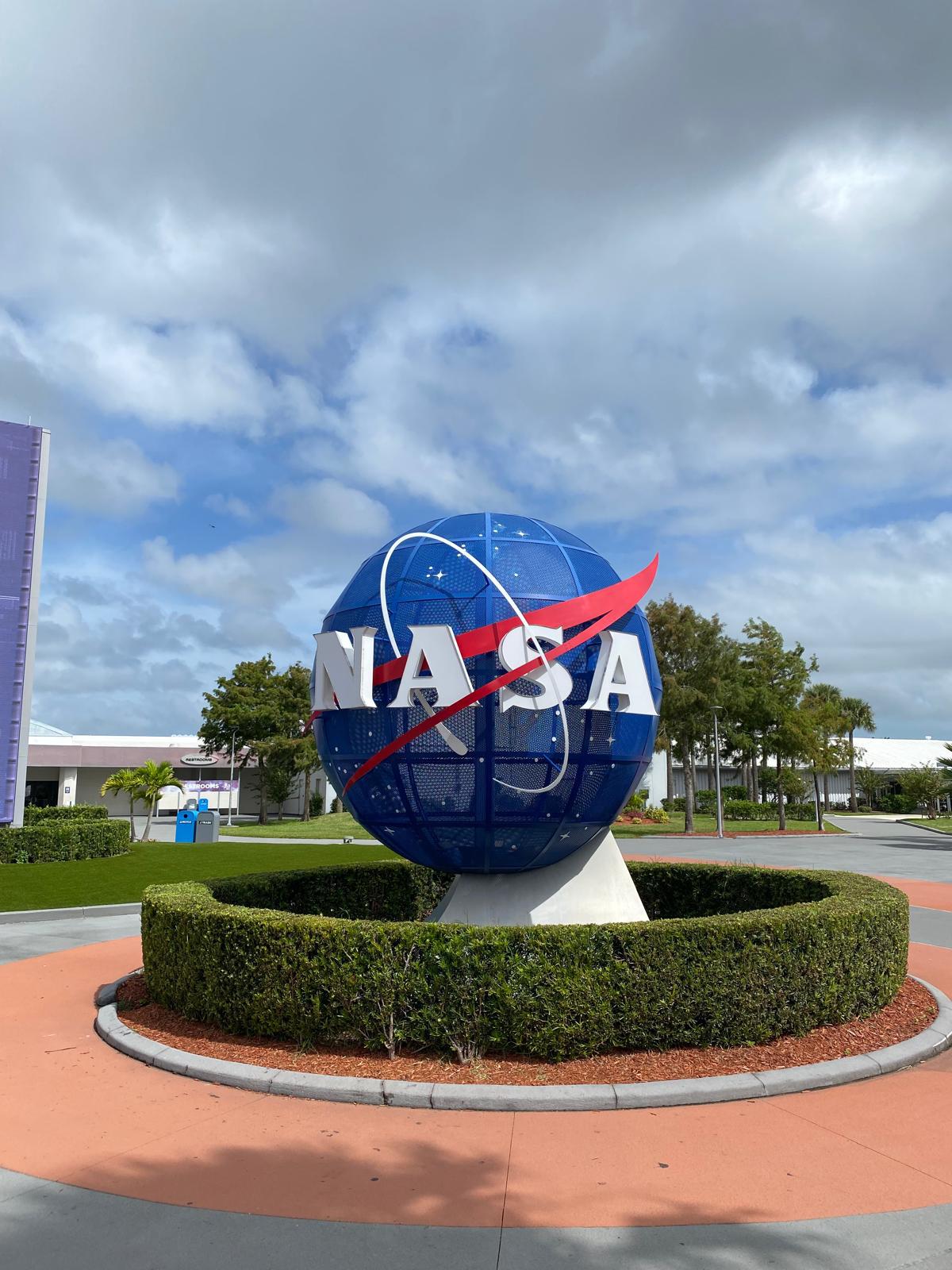
But there is one thing I truly loved in Orlando: the Kennedy Space Center, NASA’s primary launch site for human spaceflight. The Space Center is actually not in Orlando; it’s on Merritt Island, about an hour’s drive east of the city. The main visitor complex and the different sections of the Center, which can be reached by shuttle bus, feature many astonishing attractions. We visited the Gantry at LC-39, the large mobile structure used to support and service rockets before launch. (From that site, you can also see SpaceX’s operations, since they share the same launch area.)
The attraction I liked the most was the Firing Room Theater, a simulation of the countdown and launch of the Saturn V rocket. So, even if you’re not a space geek (neither am I), it’s absolutely worth a visit. I know I’ll be coming back next time to watch a rocket launch!

What we saw emerging at TechXchange: AI, IBM Planning Analytics, and the developer’s new role
The conference opened with a strong focus on IBM communities. IBM puts real effort into connecting experts, and I rely on these communities whenever I hit a technical issue that’s difficult to solve. At the Business Analytics User Community session, we learned about the latest updates on Planning Analytics, Cognos Analytics, Watson BI, and Controller. Since we work with Planning Analytics, it was our main focus — not only on the first day, but throughout the entire conference.
The biggest news came from IBM’s Stuart King’s session on the upcoming Planning Analytics Local 3.1 version. Automatic synchronization of group members between Workspace and TM1, new Workspace Plans Data Accountability, and new Workspace Plans Workflow Processes are just a few of the highlights. All features, updates, and improvements can be found in the already available New Planning Analytics 3.1 documentation.
Great importance is given to AI layered on top of existing solutions, the embedded multivariate forecasting option, and integration with watsonx and other AI solutions and services. The driving force behind these updates and improvements stems from the trend and goal of transitioning modeling from a developer-focused approach to an analyst-focused approach, empowering analysts to build planning solutions with less effort and to leverage the power of TM1 through easy-to-use interfaces.
This shift aligns closely with what we see in real projects: organizations want more flexible planning, faster iteration, and tools that allow business teams to take more ownership. Seeing IBM invest deeply in that direction felt both expected and encouraging.
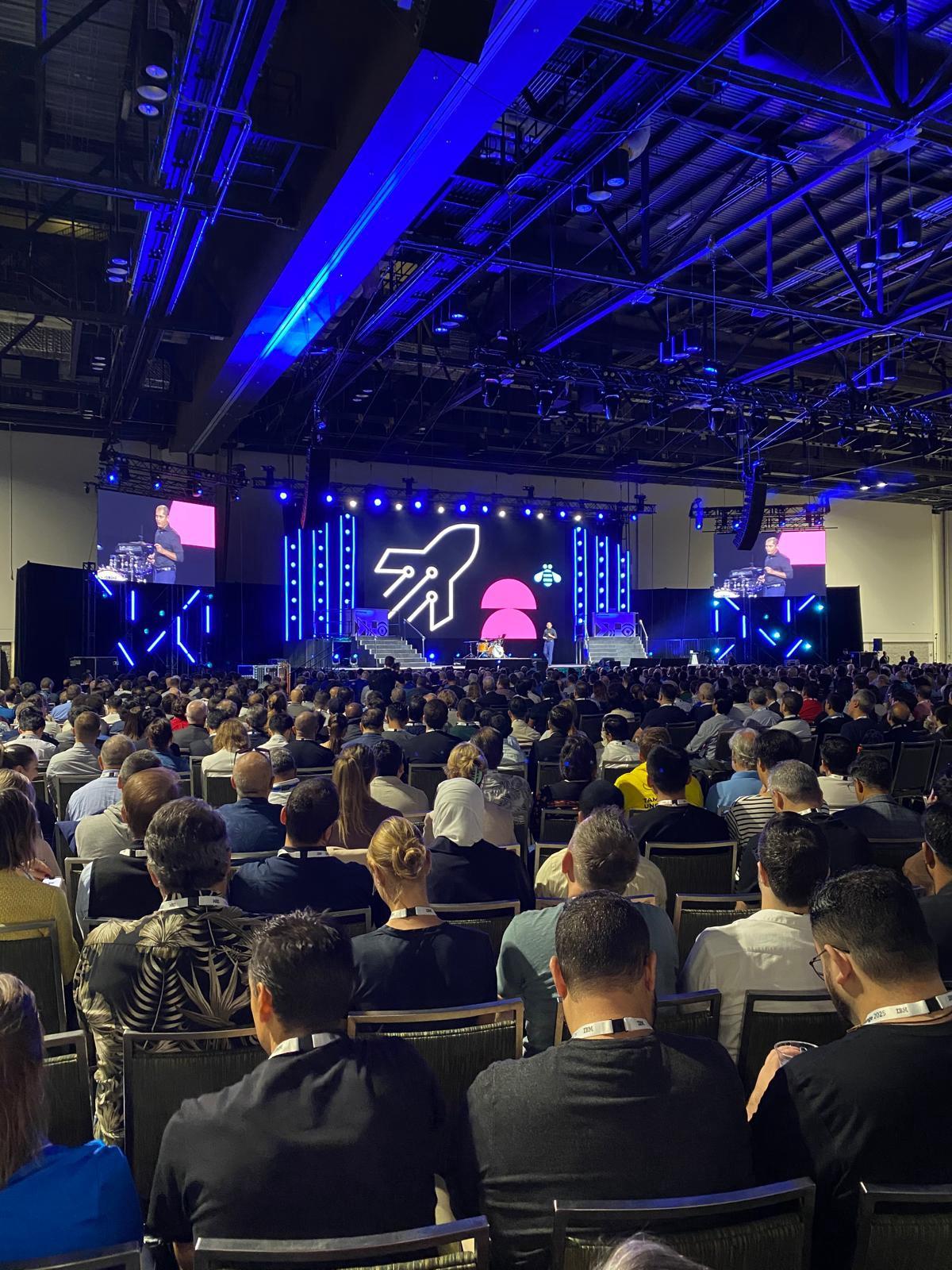
The broader themes of the event came into sharper focus on the second day, starting with an Opening General Session which was quite a show. Alex Brajkovic’s AI-powered drum performance kicked off the session, followed by a Senior IBM Vice President who delivered a clear message: developers are no longer just writing code — they are driving strategy, experiences, and innovation.
This idea kept resurfacing. Project Bob, an AI-first integrated development environment (IDE) IBM demoed, showed how automation is threading through the entire development workflow: modernizing and correcting code, automating tests, supporting compliance, and freeing developers to think more creatively.
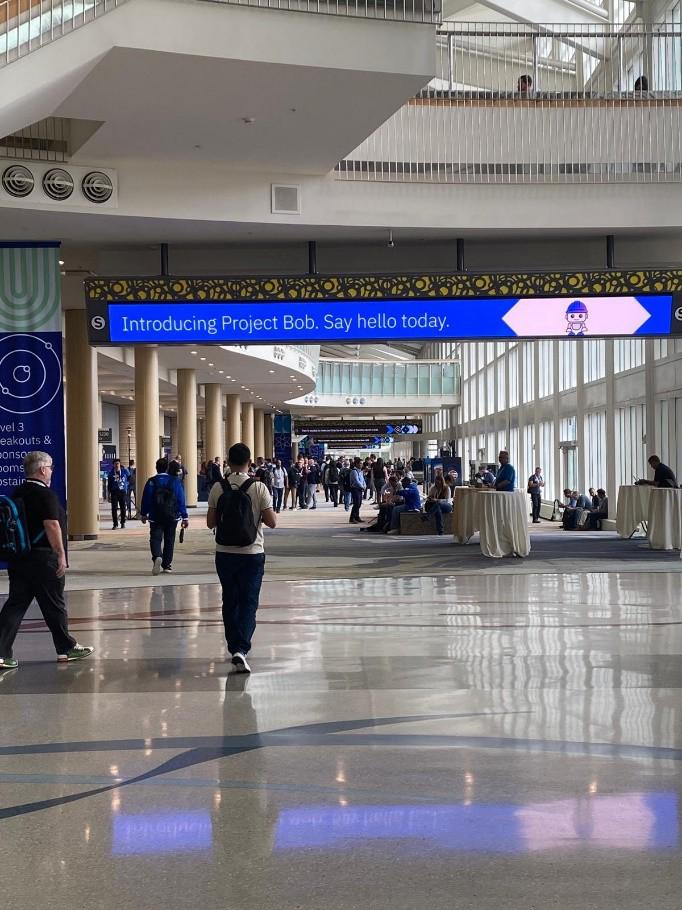
IBM also revealed new capabilities with AgentOps and watsonx Orchestrate, announced a partnership with Anthropic, and introduced Project Infragraph - a cluster of updates pointing toward a future in which AI is embedded everywhere, but guided by humans who understand how to use it.
Being the nerd that I am, I tried to attend as many lectures and tech talks as possible. Organizing my agenda and choosing the most interesting sessions available was no easy task. To make things even more challenging, the tech talks were held at the Orange County Convention Center (OCCC) in Orlando, while the lectures took place at the Hilton — connected by a covered pedestrian walkway, but still requiring a 10-minute walk between sessions. Nevertheless, I managed to attend most of the sessions I wanted.
One session stood out in particular to me: DoorDash and Cubewise showcasing how they optimized Planning Analytics using TM1py. Marius from Cubewise walked us through the RushTI library and patiently answered questions, including mine. The technical depth of that talk made the trip across the walkway absolutely worth it.
The day ended with an exclusive evening event at Universal Orlando Resort’s Islands of Adventure. The ride on Hagrid’s motorbike roller coaster in the Wizarding World of Harry Potter was absolutely unforgettable.
What these trends signal for AI-driven planning and the skills of tomorrow
The conversations on the third day - especially during the Lunch & Learn with the IBM Chief Technologists - made it clear that the landscape of AI and analytics is heading toward a hybrid future. AI will always need humans, but the real question is to what extent. As they pointed out, it’s a problem if an AI agent constantly asks for help, and it’s also a problem if it never does. Finding that balance is where the next wave of progress will happen.
As the speakers emphasized, AI is not a black box — it’s just math. It may have high IQ, but humans possess emotional, relational, and other types of intelligence alongside IQ. That mix - mathematical logic and human judgment - will shape the planning tools and workflows of the future.
When asked about the future of programming and how it will be taught, IBM Chief Scientist Ruchir Puri said programming will continue to be taught, but the way of learning should evolve. Developers are expected to have strong abstract thinking skills; they need to learn how to observe the world, identify meaningful problems, and find solutions for them.
His hope for AI models that simply say “I don’t know” instead of hallucinating felt especially relevant. Honest uncertainty would build much greater trust.
Real-world stories, case studies, and conversations that stood out
I’d also like to highlight the presentations given by speakers from Croatia. They showed how AI assistants were implemented at Wiener Insurance, how CARNET modernized its HelpDesk by leveraging watsonx.ai and watsonx.data for email categorization and automatic response suggestions, and how the Croatian National Bank transformed PR media analysis using Generative AI and watsonx. I felt really proud to see speakers from Croatia at the conference, and their presentations were outstanding.
Elena, Tea, Nikola, and I attended many interesting and useful presentations, most of them related to AI, Planning Analytics/TM1, or AI in Planning Analytics. We met fascinating people, gathered ideas for new AI tools and functionalities we could implement for our clients, and listened to many interesting case studies showing how clients like Omnicom Group, Pinterest, and Coca-Cola Solar have improved their planning processes with Planning Analytics.
We even caught the TM1 World Championship Finals. Unfortunately, we couldn’t see the tests the competitors were solving, but judging by the solutions displayed on the screen, it seemed like we would have done quite well if we had competed. The conference was a great learning experience, but it also gave us a confidence boost — we realized that we, too, have plenty to show. Perhaps next time, we might even present how we combine Planning Analytics, TM1py, and AI to help clients plan more efficiently and make better decisions.
Closing reflections: Why this event matters, and where we go next
When we weren’t in the lectures, we mingled at the sandbox area at OCCC. I really liked the vibe there. There was plenty of space for tech desks, demo areas, labs, meet-the-experts corners, sponsor booths, community areas, games, and lunch. On the final day, we built AI agents in Watson Orchestrate in a lab corner, squeezed in some last networking, and played the AI arcade games. The mood on the final day was bittersweet, with most attendees rolling their suitcases and preparing to go home.

Looking back on the week, one thought stands out above all others. As developers and consultants, we are ultimately called to observe the world and look for solutions to real problems. In our case, that means observing our clients closely, understanding what truly challenges them, and finding — and proposing — the best possible solutions. To do that well, we have to keep learning, follow technological trends, and continuously broaden our areas of interest.
If someone asked me whether I’d attend again, I would definitely say yes. Seeing so many experts in one place ready to share their knowledge, feeling that energy, and being part of such an event is truly a unique experience. But what made the week truly memorable were my colleagues Tea, Elena, and Nikola. The conference simply wouldn’t have been the same without them, and I hope we’ll be back next year with the same crew — this time not just as attendees, but as presenters.
To everyone who made it to the end of this blog, thank you (and I admire your patience). If you have any questions or want more details about the conference, feel free to reach out.
Finally, a huge thanks to Solvership for giving us the opportunity to participate — we certainly made the most of it.
Tina Korinčić,
Business Analytics Senior Consultant